
What Are the Benefits of Remote Patient Monitoring for At-Home Healthcare and Rehab Support?
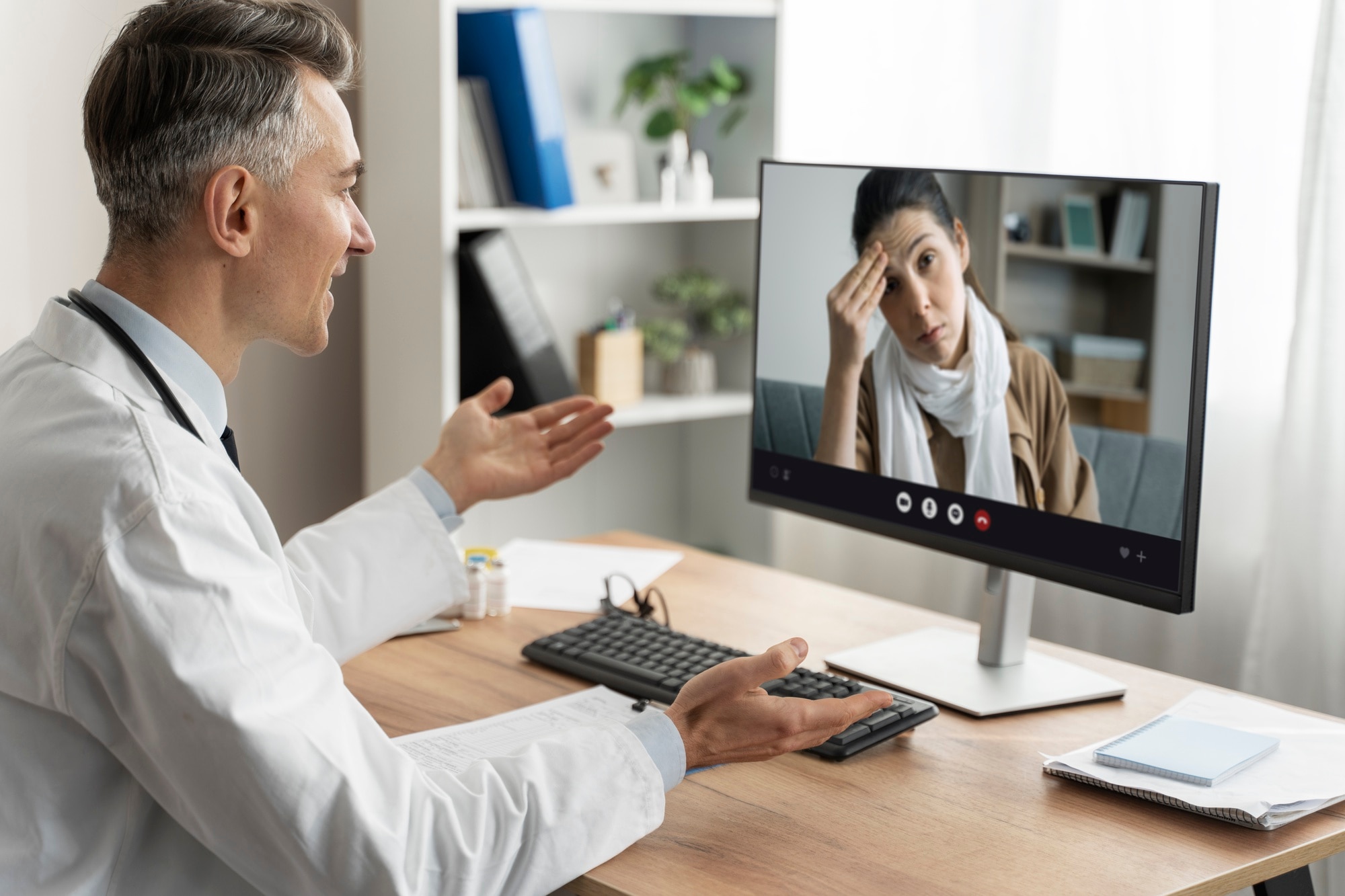
The traditional model — visit a clinic, see a provider, wait until the next appointment for follow-up — is no longer sufficient on its own. Hospitals, primary care practices, rehab centers, and chronic disease programs are all turning to remote patient monitoring to improve outcomes, reduce avoidable visits, and ease the burden on care teams.
Why remote patient monitoring is growing
Conventional healthcare relies on periodic check-ins: a patient is seen, assessed, and largely unmonitored until the next visit. For patients managing complex conditions, that gap is where things go wrong quietly. Remote monitoring closes it — connected systems track vital signs and trends continuously, so problems surface earlier and interventions happen sooner.
How RPM works
Devices collect health information through wearables, smart sensors, and cloud-connected platforms, transmitting it securely to providers in real time. A typical setup includes connected monitoring devices, cloud-based analysis, real-time alerts for abnormal readings, provider dashboards, and patient engagement tools like reminders and messaging.
Top benefits for patients and providers
Stronger chronic care management — continuous tracking instead of occasional visits. Fewer unplanned readmissions — patients recovering at home stay connected to their care team throughout. Wider access to care — reaching patients in rural areas or with limited mobility. Better rehabilitation support — following recovery progress remotely and adjusting in real time. Faster, more informed clinical decisions — based on continuous data rather than a single appointment snapshot.
Does RPM improve engagement and adherence?
Yes — one of the most consistently reported benefits. Patients who know their vitals, activity, and exercise completion are being tracked tend to take a more active role in their own care, sticking to medication schedules and completing rehabilitation exercises more consistently than with episodic care alone.
Frequently asked questions
What devices are used for remote patient monitoring?
Common devices include blood pressure monitors, glucose monitors, pulse oximeters, smart weight scales, and wearable health trackers.
Does remote patient monitoring replace in-person visits?
No — it complements them by filling the gaps between scheduled appointments.
Ask about Remote Patient Monitoring
Assigned through your hospital or care provider, at no direct cost to you.