
Insight on remote care and recovery
Notes on remote physical therapy, remote patient monitoring, and chronic care management — what home-based recovery actually looks like.

Why Every Healthcare Provider Needs a Chronic Care Management Program in 2026
Chronic diseases consume most healthcare spending. Here's what a CCM program does, who qualifies, and how Medicare reimburses it.
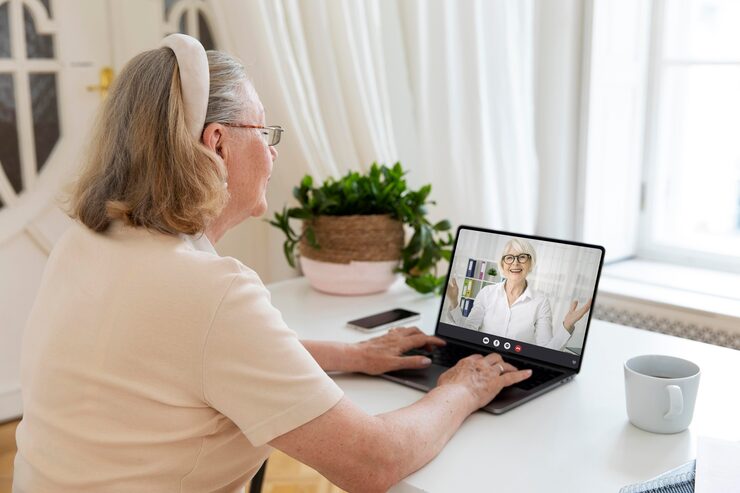
What Is Remote Patient Monitoring? Benefits, How It Works, and Why It Matters
How RPM collects data through connected devices, flags concerning trends, and why it's expanding fast across U.S. healthcare.

What Is a Chronic Care Management Plan? Requirements, Benefits, and Best Practices
Who qualifies for CCM, what the program requires, and the goals every well-run chronic care plan should hit.

Remote Physical Therapy vs. Virtual Physical Therapy: Which Is Better for Home Recovery?
Virtual PT is session-based; remote PT adds continuous monitoring between sessions. Here's how they compare, and when to use each.
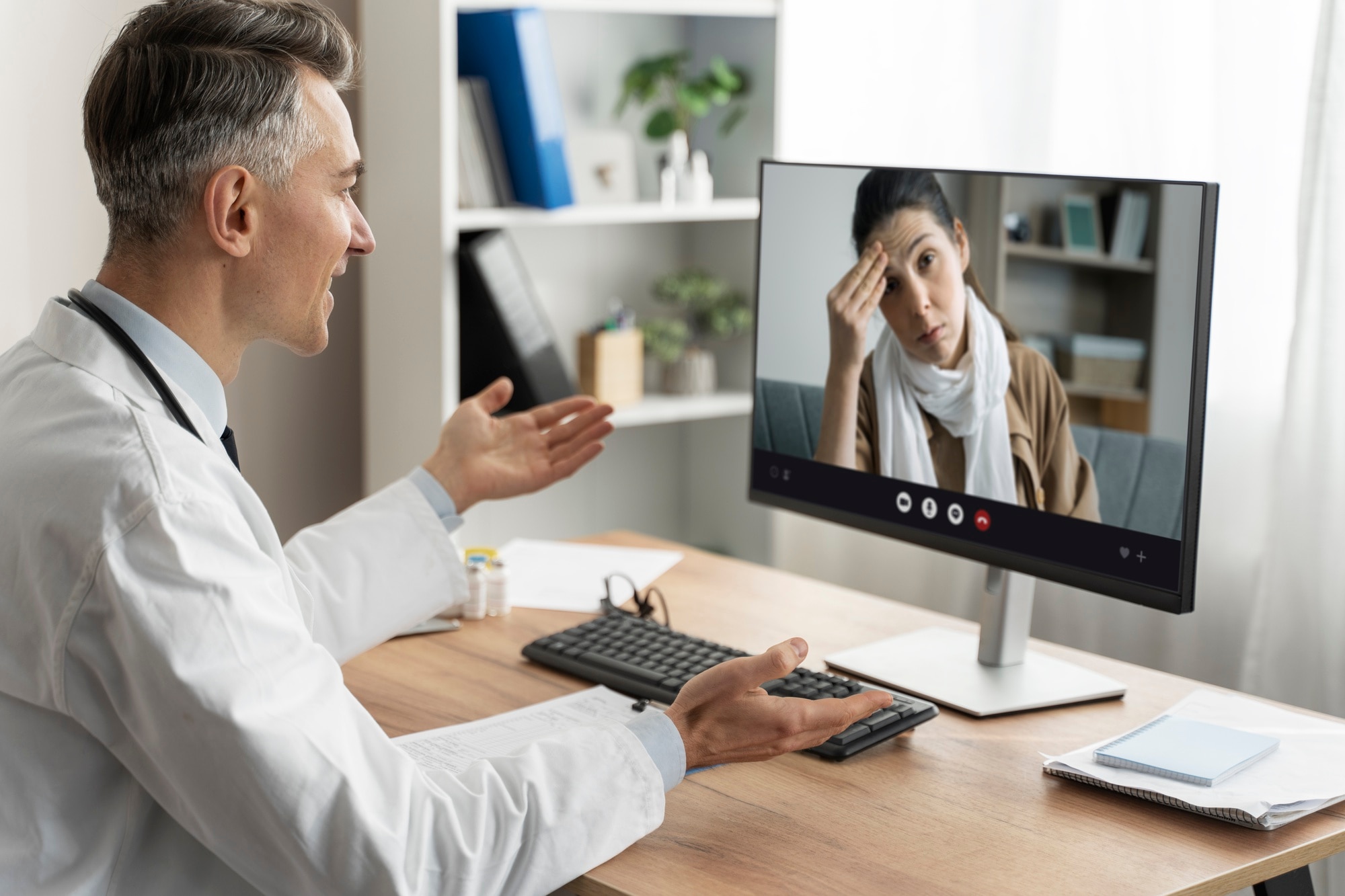
What Are the Benefits of Remote Patient Monitoring for At-Home Healthcare and Rehab?
Why RPM closes the visibility gap between appointments, and what it actually looks like day to day for patients and care teams.

How Modern Healthcare Systems Benefit from Health Care Coordinators and Digital Care Solutions
What a health care coordinator actually does, and how digital platforms keep every provider on the same page.

Remote Therapeutic Monitoring vs. Telehealth Physical Therapy: Key Differences Explained
Telehealth ends when the call ends. RTM keeps tracking recovery in between. Why the combination beats either alone.
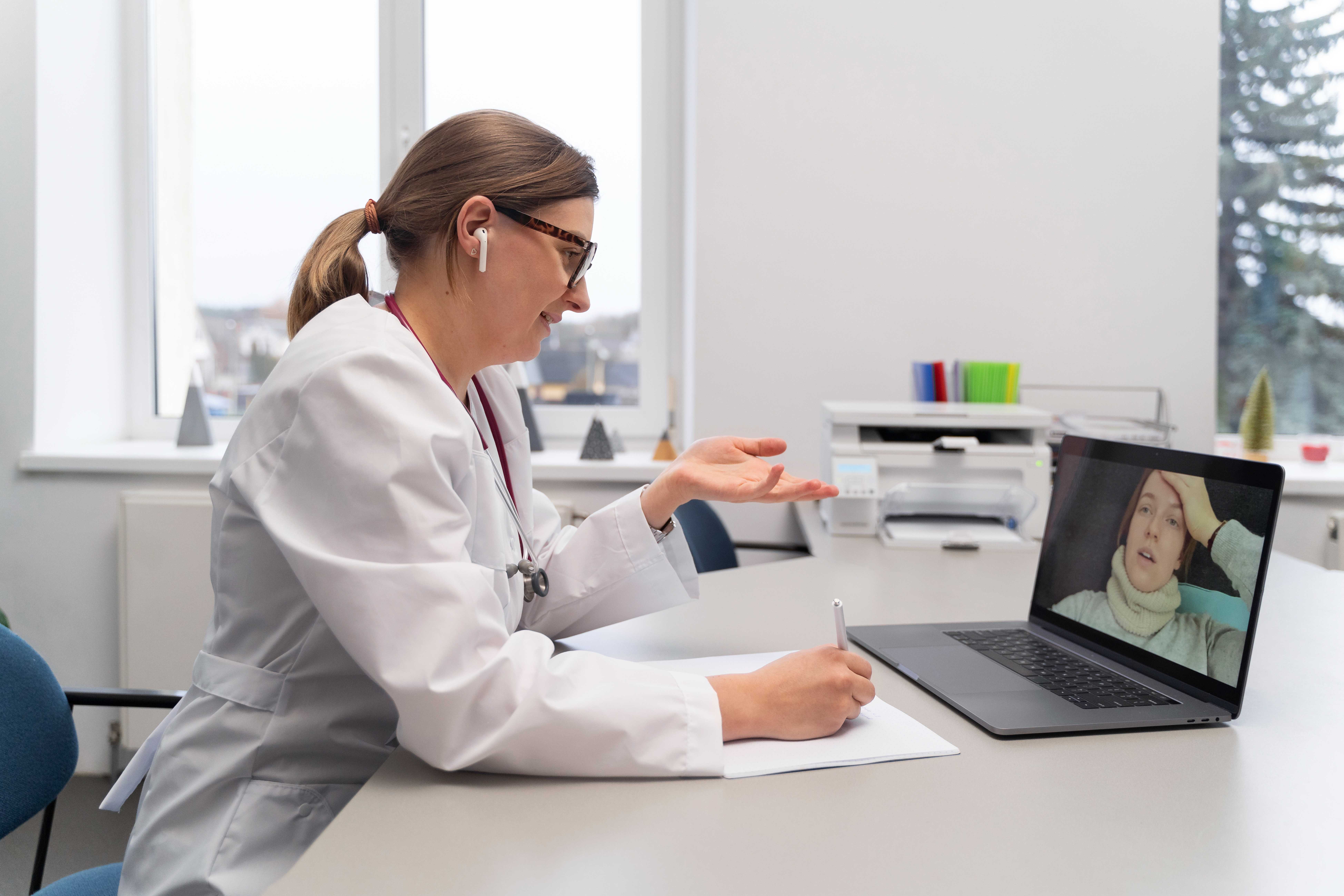
How Can Remote Patient Monitoring Help Detect Early Warning Signs at Home?
The specific signals RPM catches — heart rate spikes, falling oxygen, irregular glucose — before they become emergencies.

How a Chronic Care Management Program Supports Better Long-Term Health
Why care plans work best as living documents, and how structured CCM prevents the gaps that lead to hospitalization.
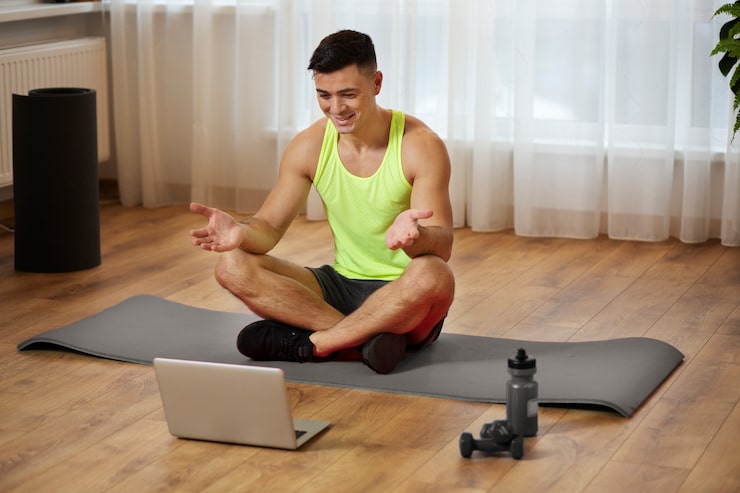
How Remote Physical Therapy and AI Movement Tracking Help Reduce Hospital Readmissions
15–20% of patients are readmitted within 30 days of discharge. Here's how continuous PT monitoring closes that gap.

Top AI Methods for Chronic Condition Care and Recovery Plans
From predictive analytics to virtual assistants — how AI is shifting chronic care from reactive to proactive.
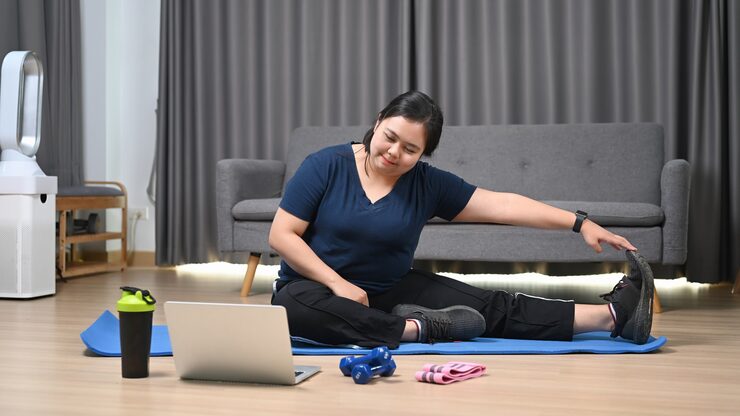
How to Safely Perform Physical Therapy Exercises at Home
Warm-up basics, form over reps, and the warning signs that mean you should stop and call your therapist.
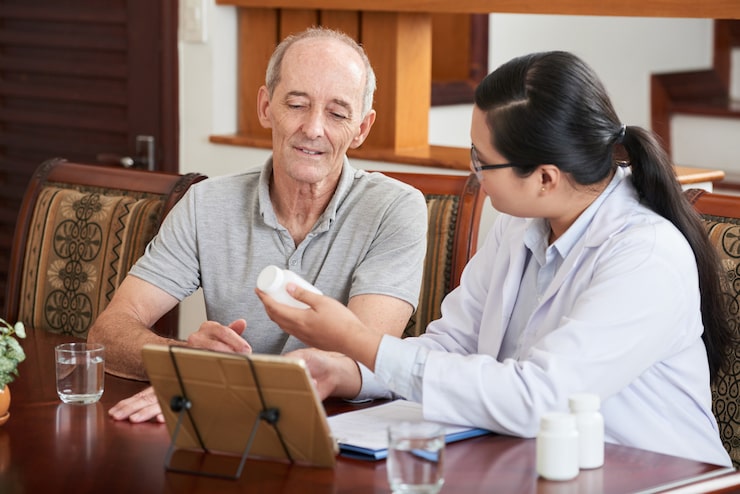
9 Steps to Implement a Successful Principal Care Management Program
A practical rollout guide for PCM — from identifying eligible patients to Medicare billing accuracy.
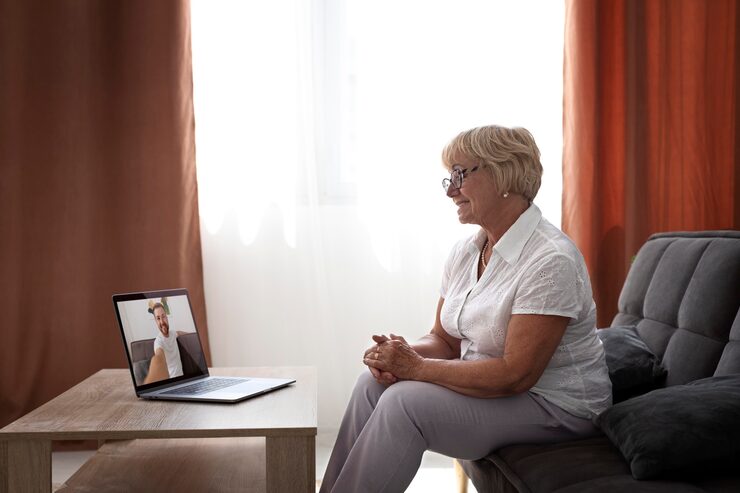
How Remote Patient Monitoring Is Transforming Cancer Care
Why oncology patients benefit most from continuous monitoring between appointments — and what it measures.
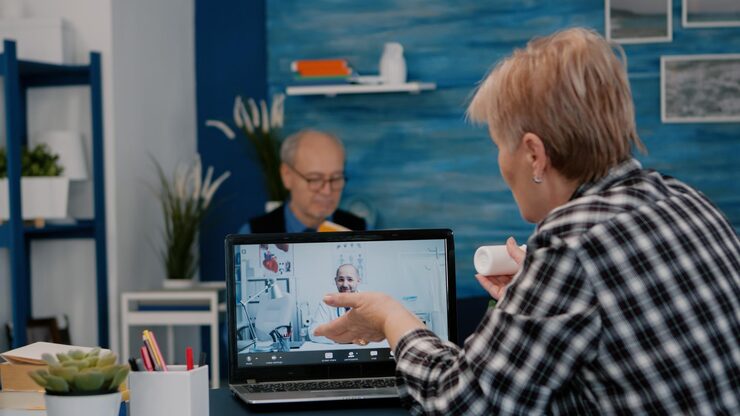
Remote Patient Monitoring: A Comprehensive Guide to Connected Healthcare Solutions
RPM doesn't replace in-person care — it fills the long gaps between visits where most health changes happen.

How Care Plan Management Is Shaping Personalized Healthcare Experiences
Static plans are giving way to living ones that adapt as patient data comes in. Here's how that actually works.

Can Remote Physical Therapy Deliver the Same Results as In-Clinic Rehab?
Consistency drives recovery more than location does — but a few situations still call for hands-on care.
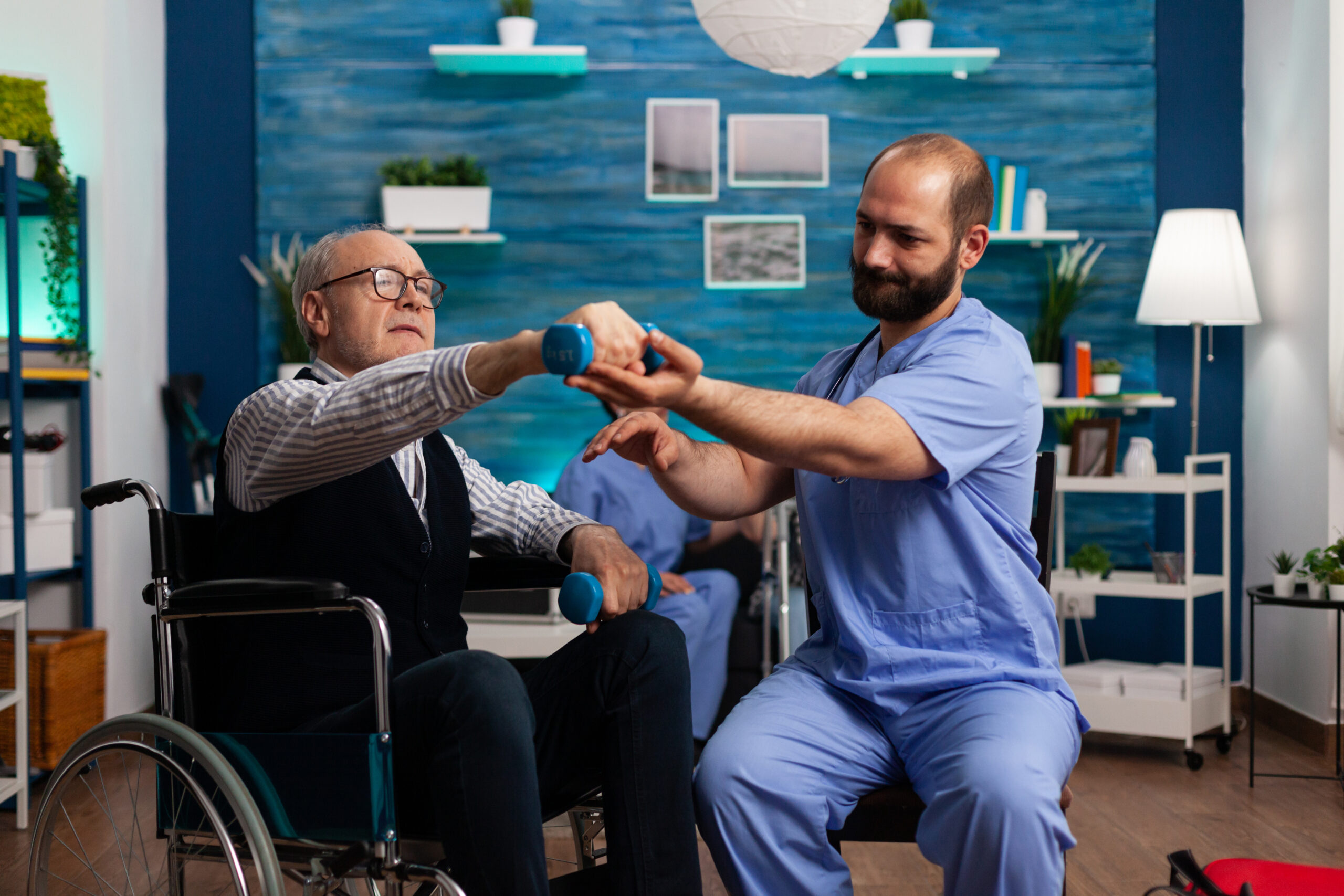
Why Are More Patients Choosing Remote Physical Therapy Today?
Convenience gets patients to start. Consistency is what gets them to finish — and remote PT is built around that.
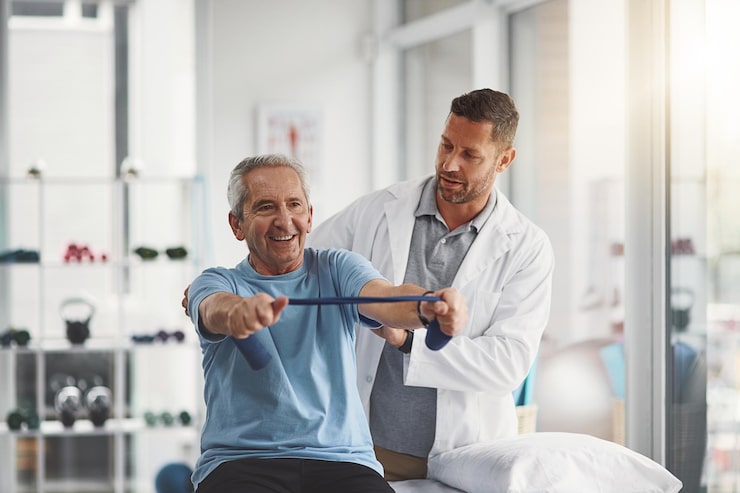
How Does Remote Physical Therapy Improve Recovery at Home?
Practicing movement in your own space, with real-time correction, builds skills that transfer better than a clinic visit.

How Remote Physical Therapy Is Transforming Patient Recovery in 2026
AI-guided exercise tracking, adaptive difficulty, and why daily practice beats weekly clinic visits.

Is RPT the Future of Convenient At-Home Rehabilitation?
How computer vision tracks joint angles and posture at home — and where in-person therapy still matters most.