Remote Patient Monitoring: A Comprehensive Guide to Connected Healthcare Solutions
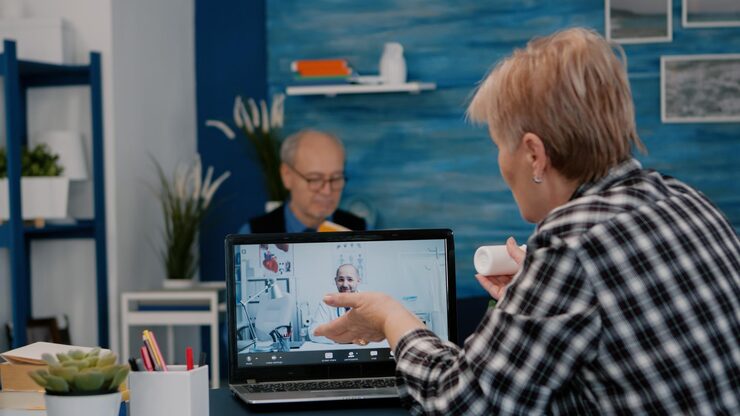
RPM enables continuous health tracking through vital signs, activity levels, and symptom trends. It doesn't replace in-person care — it fills the long gaps between visits where most health changes happen.
How recovery monitoring solutions improve outcomes
These tools track movement and pain indicators to identify issues early. Care teams can intervene proactively when patient activity drops or symptoms worsen, preventing complications before they require a clinic visit.
Remote Therapeutic Monitoring: outcome-based care
RTM tracks therapy adherence and movement quality in physical therapy and rehabilitation specifically. Care becomes more personalized, because decisions are based on what the patient is actually doing — not what they report from memory.
What makes a good monitoring device
Modern devices are designed to be clinical-grade, user-friendly, and non-intrusive. If devices require constant attention, people stop using them — so the best platforms centralize multi-patient data and flag risks automatically, letting clinicians prioritize high-risk cases without a linear increase in workload.
Data security
Platforms should prioritize secure transmission, role-based access, regulatory compliance, and transparent data policies — connected healthcare works best when it stays human at the core, with technology in a supporting role rather than the center of the relationship.
Frequently asked questions
What conditions benefit most from remote patient monitoring?
Chronic conditions, post-surgical recovery, rehabilitation, and long-term care.
Is remote monitoring difficult for patients to use?
Most modern devices are designed to be simple and low-effort, requiring minimal setup or technical knowledge.
Ask about Remote Patient Monitoring
Assigned through your hospital or care provider, at no direct cost to you.