
How Can Remote Patient Monitoring Help Detect Early Warning Signs at Home?
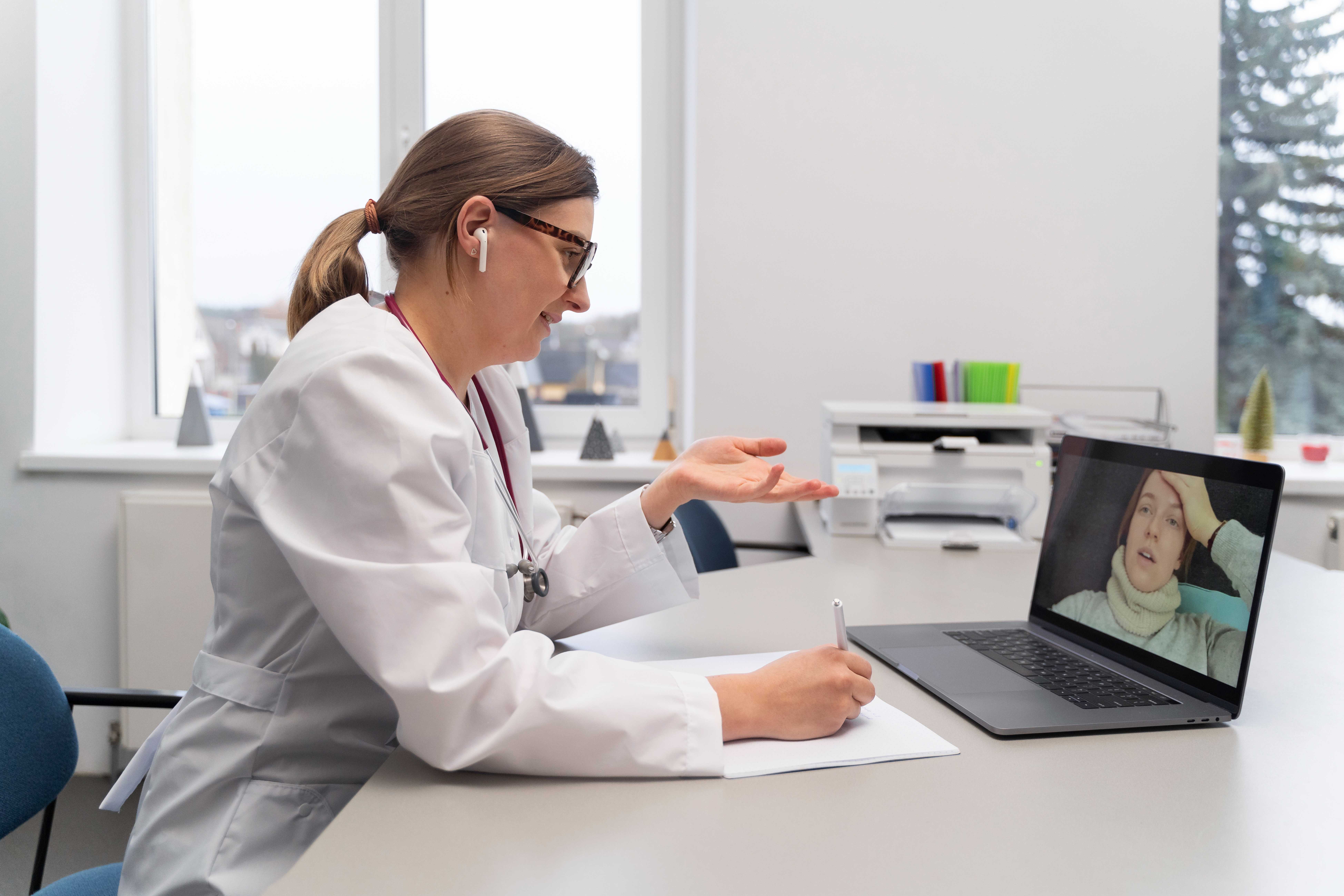
Remote Patient Monitoring collects patient health data outside clinical settings and transmits it to providers in real time. Connected devices — wearable trackers, smart blood pressure monitors, glucose monitors — automatically sync with care team dashboards, enabling continuous oversight from a patient's own home rather than only at scheduled appointments.
How AI-powered RPM detects early warning signs
Continuous monitoring identifies subtle health changes before they become serious, where traditional care — relying on scheduled appointments — has gaps in observation. RPM flags abnormal readings immediately against personalized thresholds, letting clinicians intervene earlier rather than waiting for the next visit.
Common early warning signs RPM can catch
The system monitors sudden heart rate spikes, declining oxygen saturation, irregular glucose patterns, reduced physical activity, and overnight vital changes. Early detection enables intervention before minor issues escalate into emergencies — particularly valuable for elderly patients and those with chronic conditions.
Traditional monitoring vs. AI-powered RPM
Traditional monitoring is reactive and periodic. Remote monitoring is continuous and proactive — it involves patients more actively, provides earlier detection, and enables faster clinical responses. Real-world applications include post-surgical recovery, chronic condition management (COPD, heart failure, arthritis), elderly care, and neurological rehabilitation.
Challenges worth knowing about
Key obstacles include device accuracy and reliability, data privacy and security requirements, patient adaptability (especially for older adults), and internet connectivity in rural areas. These are increasingly solvable as technology improves and digital health literacy grows.
Frequently asked questions
How does remote monitoring detect early warning signs?
RPM continuously tracks vital signs and compares them against personalized health thresholds, alerting providers when unusual changes emerge.
Can remote monitoring reduce hospital visits?
Yes — early issue identification and faster clinical intervention help reduce emergency visits, readmissions, and overall healthcare costs.
Ask about Remote Patient Monitoring
Assigned through your hospital or care provider, at no direct cost to you.