
How to Safely Perform Physical Therapy Exercises at Home
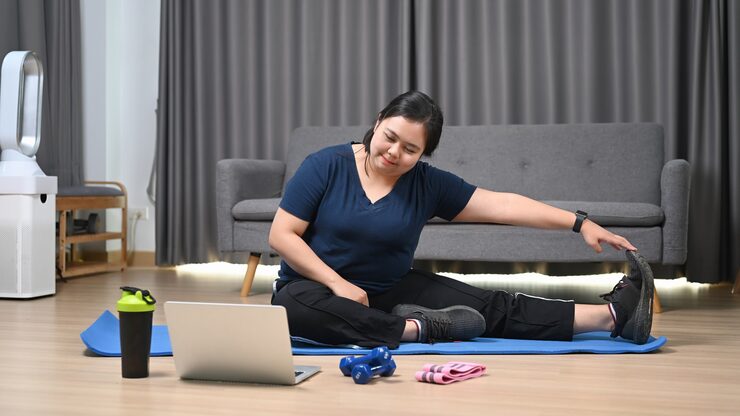
Remote rehabilitation offers flexible scheduling, eliminates travel for mobility-limited patients, and connects people with licensed therapists online — but doing exercises safely at home takes a bit of preparation and attention.
Set up a safe space
Follow your personalized plan from a licensed professional and prepare a dedicated workout space that's obstacle-free, well-lit, with a non-slip surface and supportive furniture nearby in case you need it.
Warm up first
A 5–10 minute warm-up — gentle walking, light stretches, breathing exercises — prepares muscles and joints by improving circulation and flexibility before therapeutic movements begin.
Form matters more than reps
Quality of movement always matters more than the number of repetitions. Controlled, slow movements following professional instructions prevent injury and delay setbacks far better than rushed, high-volume workouts.
Know the warning signs
Contact your therapist if you experience sharp pain, sudden swelling, numbness, loss of balance, or pain lasting beyond 24 hours. Mild soreness during rehabilitation is normal, but severe pain is a sign your routine needs adjusting.
Consistency is what actually improves results
Scheduled sessions at regular times, reminders, organized equipment storage, progress tracking, and attending all remote check-ins meaningfully improve mobility, pain reduction, and functional recovery over time.
Frequently asked questions
How often should exercises occur?
Typically 3–5 times weekly, depending on injury severity and your therapist's recommendations.
What should I do if pain occurs?
Stop immediately, rest the area, and contact your therapist for guidance on adjusting your routine.
Try Remote Physical Therapy — free
Guided AI-assisted sessions, at your pace, from home.