
What Is Remote Patient Monitoring? Benefits, How It Works, and Why It Matters
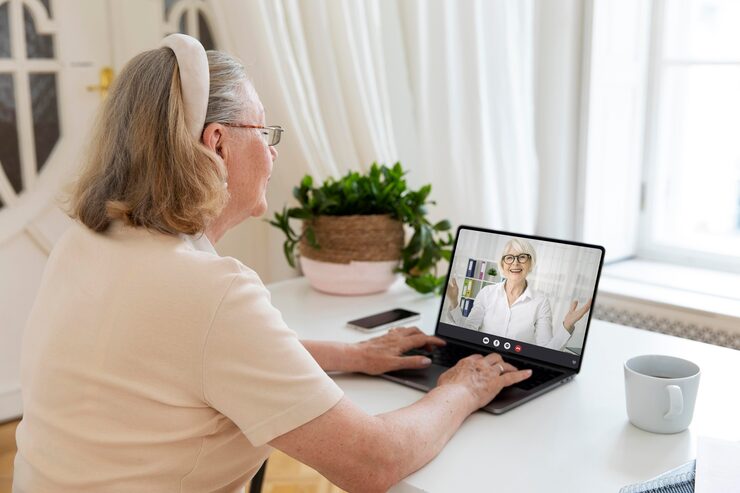
Healthcare is no longer limited to hospitals and doctors' offices. Remote Patient Monitoring (RPM) lets clinicians monitor patients outside clinical settings using connected devices and digital platforms, and it has expanded rapidly across the U.S. thanks to Medicare reimbursement support and its effectiveness in chronic disease management.
How remote patient monitoring works
The system operates in four steps: patients use connected medical devices to collect health metrics, data transmits automatically to secure cloud platforms, the platform analyzes readings and flags concerning trends, and clinicians respond by adjusting treatment plans or scheduling interventions.
What monitoring is really for
Monitoring serves four core purposes: early detection of warning signs, ongoing chronic condition management, treatment evaluation grounded in real data, and patient safety reassurance that encourages people to stay engaged in managing their own health.
Top benefits for patients and providers
RPM reduces hospital readmissions, improves chronic disease management, provides convenience through home-based care, enables earlier clinical intervention, strengthens patient engagement, and lowers overall healthcare expenses by preventing complications before they escalate.
Common examples
Continuous glucose monitoring for diabetic patients is a classic example — automatic glucose readings transmitted straight to the care team. Others include smart blood pressure monitors, pulse oximeters, wearable ECG patches, and connected scales, spanning cardiac, metabolic, respiratory, and post-discharge monitoring.
Frequently asked questions
Is remote patient monitoring covered by insurance?
Medicare and many private insurers reimburse RPM for eligible patients, especially those managing chronic conditions.
Does RPM replace in-person doctor visits?
No — RPM complements traditional care by providing continuous monitoring between appointments rather than replacing face-to-face visits.
Ask about Remote Patient Monitoring
Assigned through your hospital or care provider, at no direct cost to you.